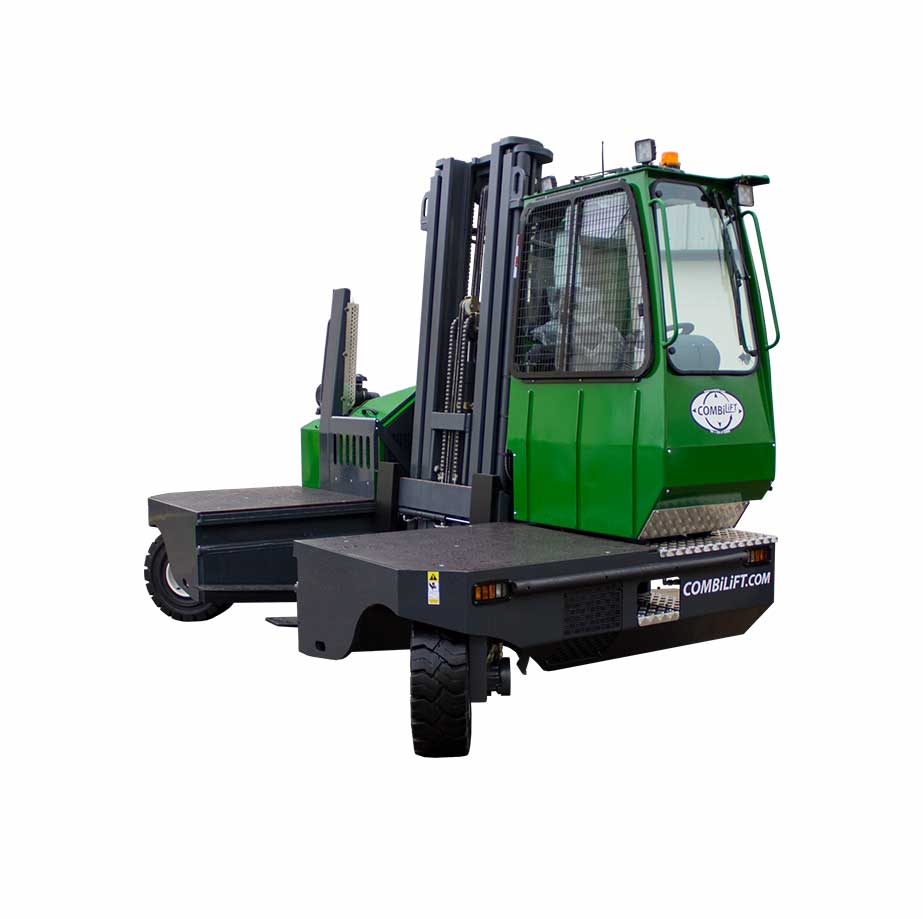
Standard fork dimensions work well for routine pallet loads, but long, wide, or deep products often require more support than conventional blades can provide. Extended forks for forklift are one-piece longer blades designed to handle oversized footprints, double-deep rack positions, and awkward materials. Choosing the correct length, understanding capacity changes, and following proper maintenance practices are essential for safe and efficient operation.
What Are Extended Forks for Forklift and How Do They Differ from Standard Blades?
Extended forks for forklift are factory-manufactured fork arms that exceed the typical 42-, 48-, or 60-inch lengths used on many counterbalance trucks. They commonly range from 72 to 120 inches, with specialized versions available for longer or unusually shaped loads. Unlike slide-on fork extensions, which add temporary length to an existing blade, extended forks are complete replacement arms. They retain the original mounting style—hook, pin, or shaft—while offering a longer load-supporting face. This matters because a properly engineered extended fork is rated for the higher bending stress it will absorb, rather than creating an unrated stress point at the tip of a standard fork.
The biggest difference between standard and extended models is how they change the load center. Most forklifts are rated with a 24-inch load center for a load that is 48 inches deep. When longer forks allow the truck to carry a 60-, 72-, or 96-inch-deep load, the center of gravity moves farther from the mast. This reduces the truck’s effective capacity. For example, a forklift rated for 5,000 pounds at 24 inches may have significantly less capacity when the load center shifts to 36 or 48 inches. Treating the data plate rating as unchanged with extended forks can create an overload condition, even if the load itself weighs less than the original rating.
Because longer blades increase bending moment at the heel, material quality and fork cross-section are critical. Blade width, blade thickness, steel tensile strength, and heat treatment all influence safe performance. Tapered tips and polished surfaces also help the longer blade enter tightly packed loads without pushing product forward. When evaluating extended forks for forklift, operators should review the rated capacity at the actual load center, the fork class, and carriage compatibility rather than focusing on length alone. A longer blade is only an upgrade if it matches the truck’s capacity and the load’s weight distribution.
Applications and Operational Benefits of Longer Fork Blades
Extended forks for forklift create immediate value in industries that handle long, flexible, or irregular materials. Lumber yards, building supply centers, steel distributors, and construction sites frequently move bundles that sag or shift when supported only near the center. Longer blades support more of the bundle length, reducing movement, preventing bottom-layer damage, and improving stability during transport. Similar benefits apply to pipe, trim, drywall, carpet rolls, and formed metal profiles. In these cases, the goal is not just reach but more even weight distribution across the product.
In warehousing and distribution, extended forks are often used to handle two light pallets at once. With a 96-inch or 120-inch fork set and enough residual capacity, a forklift can engage two 40-inch-deep pallets positioned side by side. This reduces travel cycles and improves throughput in high-volume receiving and shipping operations. However, this method must only be used after the combined weight and the new load center are compared with the truck’s derated capacity. Lifting two pallets on standard forks often forces operators to carry the load too far from the heel, creating a dangerous forward load moment and poor control.
Extended forks also support double-deep racking and trailer unloading. A standard fork may be too short to reach a pallet placed in the second row of a double-deep rack without driving the mast into the rack structure. Longer blades allow safer retrieval while keeping the load supported closer to the truck. They can also reduce product damage during container stripping by distributing pressure along a larger section of the base instead of concentrating force at the fork tips.
Consider a regional building materials distributor that replaced 48-inch forks with 96-inch versions on two trucks used for 20-foot siding cartons. After operator training, load shifts dropped sharply because the cartons no longer sagged at the ends. The longer blades improved predictability during turns and reduced damage at rack faces. This type of upgrade pays off when the fork length is matched to the product dimension and the actual load capacity.
Selecting, Operating, and Maintaining Extended Forks Safely
Selecting the right extended fork starts with measuring the load and the carriage, not simply choosing the longest blade available. Key specifications include fork length, blade width, blade thickness, hook profile, carriage height, and fork class. A fork that is too long adds unnecessary weight, reduces residual capacity, and increases the risk of striking racks, doorways, or pedestrians during turns. The blade should extend through most of the load depth, but it should not protrude far beyond the load unless the operation requires that extra reach. For a 72-inch-deep load, an 84-inch fork may be adequate; for a 96-inch load, a 108-inch or 120-inch fork may be necessary.
Capacity calculation is critical. A simplified formula for an adjusted capacity is rated load center × rated capacity ÷ new load center. If a truck is rated for 6,000 pounds at a 24-inch load center and the new load center is 48 inches, the adjusted capacity is 6,000 × 24 ÷ 48, or 3,000 pounds. Additional derating may be required for fork weight, lift height, mast tilt, and any added attachment. Fleet managers should request engineering data from the fork manufacturer and compare it with the truck’s capacity plate before placing extended forks in service.
Operator training and inspections matter just as much as specifications. Longer fork tips are harder to see in tight aisles, so operators need time to adjust to the new overall length, the wider turning envelope, and the need to scan for rack uprights and dock equipment. Forks should be inspected before each shift for cracks, heel wear, twisted blades, or worn hooks. Extended forks experience higher bending stress than standard blades, so fatigue cracks can develop near the heel or hanger. Any fork with visible cracks, excessive wear, or deformation should be removed from service immediately.
Maintenance is essential for long service life. Replacement forks should be paired and matched in length, cross-section, and wear. Mismatched forks create an uneven support surface and can increase the risk of tip-over or dropped loads. Specifying extended forks for forklift from a manufacturer with clear load ratings and inspection guidelines helps support compliance with OSHA and ANSI requirements. Routine measurement of heel thickness and blade straightness should be part of every forklift maintenance program.