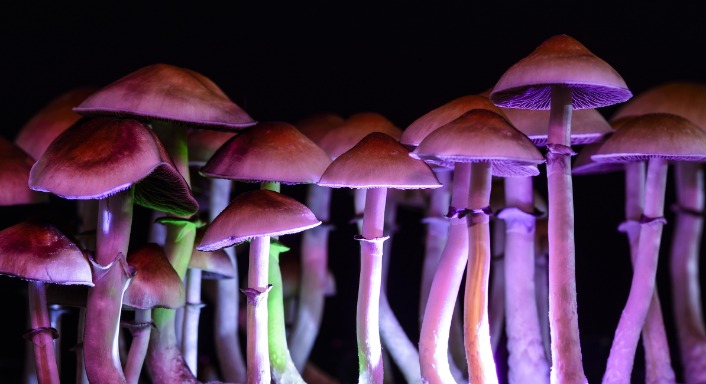
Understanding the science and benefits of medicinal mushrooms
The modern resurgence in interest around fungi isn’t a trend — it’s rooted in a growing body of research that highlights how different species support human health. Mushrooms like Reishi, turkeytail, maitake, shiitake, chaga and cordyceps have been used for centuries in traditional medicine, and contemporary studies are beginning to map the specific bioactive compounds responsible for their effects. Beta-glucans, triterpenes, polysaccharide complexes and unique antioxidants are common constituents that contribute to immune modulation, anti-inflammatory action, and cellular protection.
For cognitive support, extracts from Lions Mane are particularly notable for compounds called hericenones and erinacines, which may stimulate nerve growth factor pathways and promote neuroplasticity. Athletes and those seeking endurance benefits often reach for cordyceps for its potential to enhance oxygen utilization and stamina. Immune resilience can be supported by mushroom species like turkeytail and maitake, rich in polysaccharides that appear to train and balance immune responses.
When evaluating benefits, context and quality matter. Whole-fruiting-body extracts and dual-extraction methods (hot water plus alcohol) tend to capture both water-soluble polysaccharides and alcohol-soluble triterpenes, offering broader efficacy than single-extraction products. The term functional mushrooms captures this dual role: they can be part of daily wellness routines as adaptogens or targeted therapeutic adjuncts when chosen deliberately and used responsibly.
Choosing high-quality mushroom supplement and mushroom tinctures: sourcing, extraction, and why Lions Mane matters
Not all supplements are created equal. Labels that read "mushroom powder" may simply describe dehydrated mycelium grown on grain, which dilutes active compounds with starch. Consumers seeking potency should look for clarifying details: strain identification, fruiting body vs. mycelium, extraction ratios, and third-party testing for contaminants. Mushroom tinctures produced through dual extraction are often preferred for therapeutic uses because they concentrate both water- and alcohol-soluble constituents into a convenient liquid format.
Organic certification and transparent, local cultivation practices add assurance. Products labelled organic and UK grown can offer traceability benefits, shorter supply chains, and environmental stewardship. Farm-to-formulation producers who publish lab results for polysaccharide and heavy metal content demonstrate a higher commitment to safety and efficacy. For example, a consumer selecting a daily cognitive support product should verify whether the formula specifies fruiting-body extracts and standardized active markers rather than generic mushroom biomass.
Price can be a signal: extremely cheap capsules often contain filler or low-concentration material. Equally, marketing claims that promise cure-all benefits should be treated with skepticism. Practical usage tips: start with low doses of concentrated tinctures to assess tolerance, escalate gradually, and combine mushroom supplements with a nutrient-rich diet to support absorption and synergy with other botanicals. Thoughtful sourcing, clear extraction methods, and verified testing are the best indicators of a supplement that will deliver real benefits rather than empty promises.
Real-world examples and case studies: cultivation, consumer experiences, and clinical signals
Case studies from small-scale cultivators and consumer reports provide practical insight into how functional mushrooms are used in everyday life. Small farms that specialize in organic cultivation often document processes such as substrate selection, sterile techniques, and seasonal harvesting, demonstrating that carefully managed production yields more consistent, potent fruiting bodies. In the UK and Europe, community-supported mushroom farms have reduced supply chain variables and enabled direct feedback loops between growers and consumers, improving product traceability and quality.
Clinical pilot studies and anecdotal case reports illustrate measurable outcomes in specific contexts. For instance, pilot trials using Reishi extracts in immune-compromised populations have shown modulation of certain immune markers, while small studies with shiitake and maitake report supportive roles in metabolic health and recovery. Athlete-focused case series that include cordyceps supplementation reveal modest gains in perceived energy and recovery times, though larger randomized trials are still needed to confirm magnitude and mechanisms.
Consumer stories enrich the picture: individuals using high-quality mushroom tinctures report improved sleep quality when combining Reishi at night, clearer focus using Lions Mane blends during work, and sustained immune resilience through seasonal use of turkeytail and chaga. These real-world examples highlight the importance of matching species to goals, choosing verified extraction methods, and treating functional mushrooms as part of a broader lifestyle approach rather than standalone miracles.