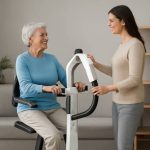
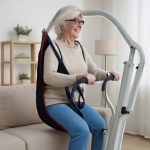
The demand for compassionate, dependable caregivers is rising fast as families seek support for aging loved ones, people with disabilities, and those recovering at home. Whether you’re new to the field or growing an established career, opportunities range from entry-level roles to specialized clinical positions. Searching for caregiver jobs near me or home care jobs near me can uncover roles that match your experience, availability, and long-term goals—often with flexible hours, meaningful client relationships, and clear advancement paths.
What Types of Caregiver Roles Exist—and Which One Suits You?
Caregiving is a broad field with distinct tracks that align to different skills, certifications, and work environments. Non-medical caregivers provide daily living assistance such as companionship, meal prep, light housekeeping, transportation to appointments, medication reminders, and safety monitoring. These positions are commonly listed as senior caregiver jobs or companion care roles, and they’re ideal for people with strong communication skills, patience, and empathy. Many families prefer continuity and personality fit over years of experience, making these roles accessible for newcomers with strong references and reliability.
On the clinical side, home health aide jobs often require state-approved training and the ability to assist with personal care, mobility, and basic health-related tasks under supervision of a nurse or therapist. If you search for CNA jobs near me, you’ll find facility-based positions in nursing homes, assisted-living communities, and hospitals, as well as in-home assignments coordinated by home health agencies. Certified Nursing Assistants typically handle vital signs, bathing, transfers, and documentation, while learning care-plan execution and teamwork across shifts—skills that can propel you toward LPN or RN training later on.
Work arrangements also vary. Agency-based jobs provide steady hours, backup support, and standardized policies; look for caregiver agencies hiring in your area to access benefits and training ladders. In contrast, private caregiver jobs often pay higher hourly rates but may require you to handle scheduling, taxes, and boundaries more independently. Consider your risk tolerance and administrative comfort. Regardless of path, you’ll strengthen your application by completing CPR/First Aid, dementia care workshops, and safe transfer training. If you’re just starting out, assembling a strong reference list, clean background check, valid driver’s license, and proof of auto insurance can help you move quickly from interview to onboarding.
Smart Search Strategies to Find Local Openings Fast
Start with precise keywords that mirror employer language. Phrases like caregiver jobs, caregiver jobs near me, home care jobs near me, and “overnight caregiver” or “live-in caregiver” will surface roles matching your availability and preferred schedule. When speed matters, add terms like caregiver hiring now to target employers ready to interview immediately. Build a geographic radius—try your city plus neighboring suburbs—to capture more listings without ballooning commute time. If you hold a certification, include it; “HHA,” “CNA,” or “BLS” often unlock better-filtered results.
Next, tailor your application materials to the role. Lead your resume with a short profile emphasizing reliability, safety, and person-centered care. Use metrics and specifics: “Provided daily ADL support to 3 clients; reduced fall incidents by implementing transfer techniques; documented vitals and intake/output.” Highlight experience with memory care, mobility equipment, hospice support, or post-surgical recovery—these are frequent needs in senior caregiver jobs. In your cover letter, describe your availability, transportation reliability, and willingness to accept short-notice shifts—these practical details are decisive for schedulers. Keep your phone on and voicemail clear; many agencies call first-come, first-served to fill urgent shifts.
Centralize your search with curated boards and employer networks so you don’t miss time-sensitive listings. Explore high-velocity caregiver job openings to reach employers who actively post roles, often with quick response times and interview links. Prepare for scenario-based interview questions by practicing short STAR stories (Situation, Task, Action, Result) about de-escalating agitation, preventing skin breakdown, or coordinating with family members. Bring documentation to speed onboarding: ID, certifications, TB test or health screening, vaccination records, and references. If you’re transitioning from hospitality or child care, emphasize transferable skills—customer service, time management, and observation—then close skill gaps with weekend workshops on dementia care or safe transfers. A focused, consistent approach can compress your time-to-offer from weeks to days, especially with agencies ramping schedules ahead of holidays and seasonal surges.
Real-World Pathways: Case Studies From Entry-Level to Specialized Care
Olivia, new to the field, wanted meaningful work with flexible hours while finishing school. She started by searching caregiver jobs near me and home care jobs near me, then filtered for part-time companion roles. Although she lacked formal credentials, she leveraged volunteer experience at a senior center and completed a weekend CPR/First Aid course. During interviews, she discussed how she engaged clients in reminiscence activities and used checklists to ensure meds, meals, and hydration were consistent. Within two weeks, she secured a consistent daytime assignment supporting an older adult with mild mobility challenges. A month later, she completed an online dementia care module through her agency and added two additional clients, effectively building experience for eventual home health aide jobs.
Marcus, a CNA relocating to a new city, needed to stabilize income quickly. He searched for CNA jobs near me and expanded to nearby suburbs to capture swing-shift options that paid a differential. He prioritized agencies with mentorship programs and strong nurse support—key for managing complex care plans and ensuring safe lifts. By showcasing concrete outcomes (accurate wound care documentation, zero call-outs over six months, and consistent fall-risk audits), he received offers from both a skilled nursing facility and an in-home care agency. He chose a hybrid schedule: two facility shifts for predictable hours and two in-home clients for higher hourly pay and relationship continuity. This mix offered career development while keeping burnout at bay.
Lena, a mid-career switcher from hospitality, moved into private caregiver jobs after caring for her grandmother. She started with agency assignments to learn documentation, boundaries, and scheduling, then accepted a private case supporting a client with moderate Alzheimer’s. She built a repeatable routine: structured morning care, safe transfers using a gait belt, soothing music-based redirection, and evening hydration reminders. She communicated proactively with the family using brief daily summaries and flagged changes to appetite, sleep, and mood. When she wanted to add hours, she looked for caregiver agencies hiring to backfill gaps and keep benefits. Over a year, she built a specialized niche in memory care—securing referrals, raising her rates, and collaborating seamlessly with home health nurses. Her path illustrates how adaptable professionals can blend agency support with private cases and grow from companion roles into specialized senior caregiver jobs without immediately returning to school.
These examples show how targeted searches and intentional skill-building create momentum. Whether you’re seeking caregiver hiring now posts for fast starts or mapping a longer route from companion care to clinical roles, a clear focus—paired with real, story-driven accomplishments—helps you stand out. Keep training current, document outcomes, and communicate proactively with families and care teams. In a field where reliability and compassion are prime, small daily wins add up, moving you from entry-level shifts to stable schedules and, if you choose, advanced pathways across home care, hospice, and facility-based practice.